Resource Planner Blog
Bench Time: Definition, Causes, and Best Practices
If you run a software agency or a product-focused delivery team, bench time is unavoidable at times. However, your goal should be to minimize it in order to protect margins and revenue.
What is “bench time”?
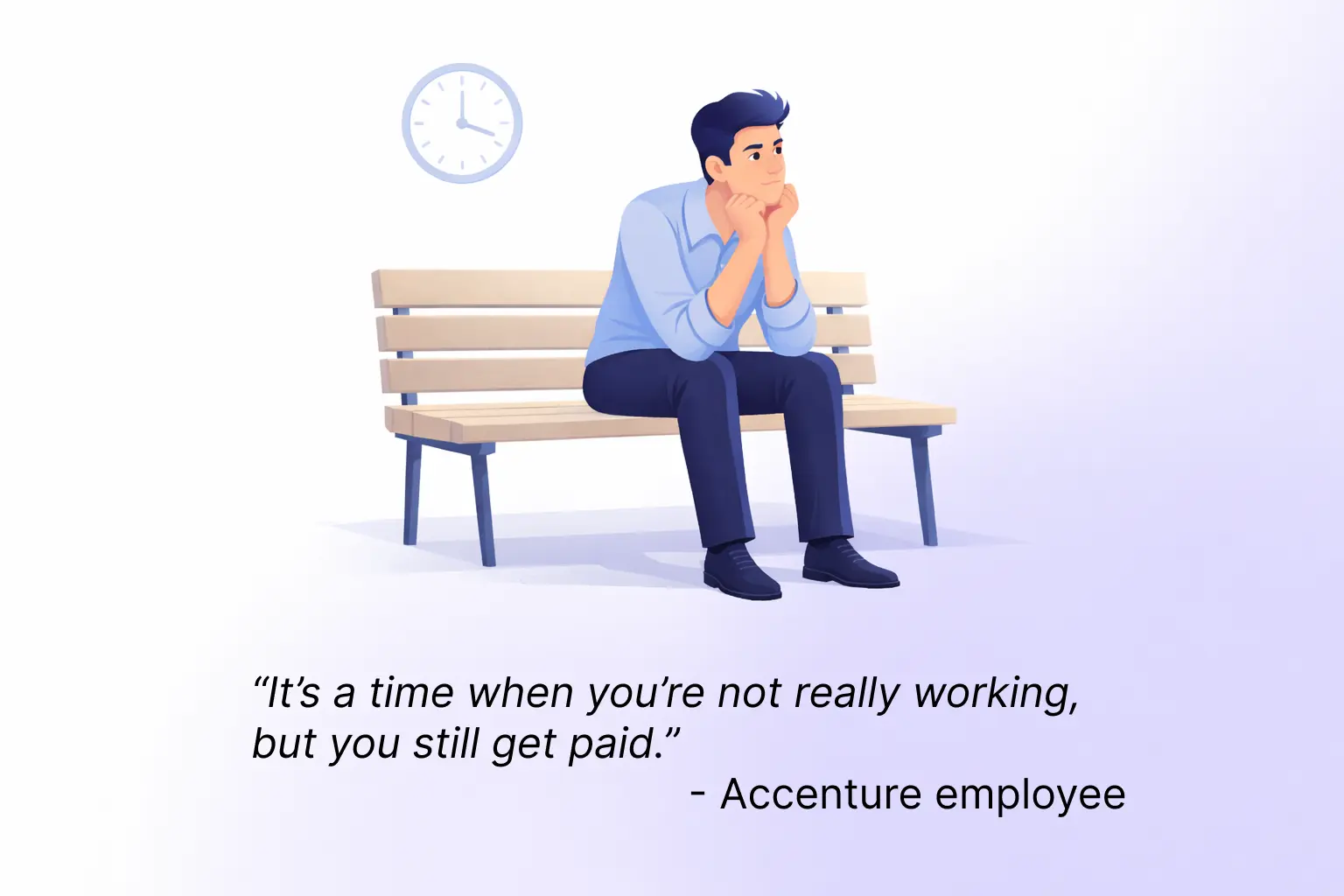
From the employee’s perspective, it’s a time when you’re not really working, but you still get paid.
Some definitions say that “bench time” indicates the period people spend on projects or tasks that are not billable work. We don’t completely agree with this definition. There might be non-billable project tasks, often referred to as “overhead” or even “our-fault rework,” but that doesn’t mean a person is on the bench.
However, there are two important variations worth separating:
- Hard bench - An employee has no client work and no meaningful internal work. This is pure cost and should trigger action quickly.
- Soft bench - An employee is not assigned to a client project, but contributes to internal activities. We will elaborate on this in a minute.
Who usually ends up on the bench, and what is the root cause?
An experienced senior employee can be staffed quickly and can add value to almost any ongoing project. Even if they end up without an assignment, you can let them run internal projects, important improvements, or innovations without additional supervision. You can’t do the same with junior members. This is why the bench is often full of junior employees. Juniors tend to stay on the bench longer, while senior bench time is rarer but far more expensive.
Most common reasons for bench time:
- End of project - Projects ending is part of life. In most cases, you want to keep high-performing employees and assign them to a new project. If there is no new project due to business factors (canceled projects, an economic downturn, a slow sales pipeline, seasonal trends), it can result in a gap between assignments.
- Skill-set mismatch or lack of experience - As mentioned, employees with missing experience can be harder to place quickly. Also, an employee’s expertise may no longer align with current, in-demand technologies (e.g., AI/ML vs. legacy or niche skills) and may not fit new projects.
- Inefficient resource planning - Poor forecasting of future project needs and over-hiring.
- Waiting for approval - Even on a “project in progress,” there may be milestones where approval for the next phase is needed. For example, after delivering a design, there may be time needed for feedback and final approval before development can start. Our milestone deadline research shows how often these dependencies derail otherwise solid plans.
What are the advantages of having people on the bench?
Why would an employer keep paying someone who isn’t generating revenue? The main advantage from the company’s perspective is the ability to start a new project almost instantly. From a cost perspective, it’s often more effective to keep an employee on the bench for a month or two. Letting someone go because there is no project for them at the moment and then hiring again in two months is inefficient. If you keep them benched, you avoid hiring and onboarding costs.
A bit of bench time may help reduce burnout, but ideally, rest and recovery should come from proper vacation planning rather than unallocated work.
Strategies to avoid bench time costs
Now that we understand who tends to end up on the bench and the most common reasons behind it, we can develop strategies to reduce bench-related costs. The key question is: What kind of work can we assign to benched people? Here are recommended strategies:
- Up-skilling & cross-training: The most vulnerable group is junior employees. The most straightforward way to mitigate missing skills and experience is up-skilling. Spending bench time learning new technologies or developing T-shaped skills is very common.
- Internal projects: Internal projects can turn into revenue streams. The disadvantage is that even internal projects usually require senior supervision, which increases costs. One internal project we’ve seen turn into a revenue-generating product is CraftablePRO
- Innovations, marketing, and SEO work: Let them write blogs. Let them explore new technologies. Let them automate and improve legacy internal processes and systems. This can bring long-term value.
- Plan for approvals and feedback loops: This always takes longer than you expect. It’s important to account for it in project planning tool, collect all necessary assets and approvals from the customer as early as possible, and provide clear deadlines.
- Spot potential bench time early and act quickly: You won’t see this advice in many “management guides.” However, if you hired new staff with specific skills and a project was canceled, you have to act fast. The same applies if you are a small to mid-sized company and your sales pipeline isn’t meeting expectations. To protect the company, sometimes you have to let redundant employees go. If there’s no realistic path to utilization in the next 4–8 weeks, delaying decisions only increases the damage.
These strategies not only help reduce costs but also keep employees busy in a healthy way. Instead of browsing job ads out of fear of redundancy, they will feel productive — and you’ll turn them into valuable, up-skilled resources ready for immediate deployment.